


As a supplier of neckband hearing aids, I understand the importance of proper storage for these devices. Neckband hearing aids are a popular choice for many users due to their comfort, convenience, and advanced features. However, to ensure their longevity and optimal performance, it is crucial to store them correctly. In this blog post, I will share some practical tips on how to store a neckband hearing aid effectively.
Clean the Hearing Aid Before Storage
Before storing your neckband hearing aid, it is essential to clean it thoroughly. Use a soft, dry cloth to wipe away any dirt, wax, or debris from the surface of the device. Pay special attention to the earpieces, microphone, and speaker, as these areas are more prone to accumulation. You can also use a hearing aid cleaning brush to gently remove any stubborn particles. Avoid using water or any liquid cleaners, as they can damage the internal components of the hearing aid.
Remove the Batteries
If your neckband hearing aid uses disposable batteries, it is recommended to remove them before storage. This helps prevent battery leakage, which can damage the device. If your hearing aid is rechargeable, make sure it is fully charged before storing it. Rechargeable neckband hearing aids, such as those available at Rechargeable Neckband Hearing Aids, offer the convenience of easy charging and long battery life.
Choose the Right Storage Container
Selecting an appropriate storage container is crucial for protecting your neckband hearing aid. Look for a container that is clean, dry, and dust-free. A hard case or a protective pouch specifically designed for hearing aids is an excellent choice. These containers provide a safe and secure environment for your device, protecting it from scratches, impacts, and moisture. Make sure the container has enough space to accommodate the neckband and all its accessories without squeezing or bending them.
Store in a Cool, Dry Place
Neckband hearing aids are sensitive to extreme temperatures and humidity. To prevent damage, store your device in a cool, dry place away from direct sunlight, heat sources, and moisture. Avoid storing it in the bathroom, kitchen, or any other area prone to high humidity. A closet or a drawer in a room with a stable temperature is an ideal storage location. You can also use a desiccant packet in the storage container to absorb any excess moisture.
Keep the Neckband Tangle-Free
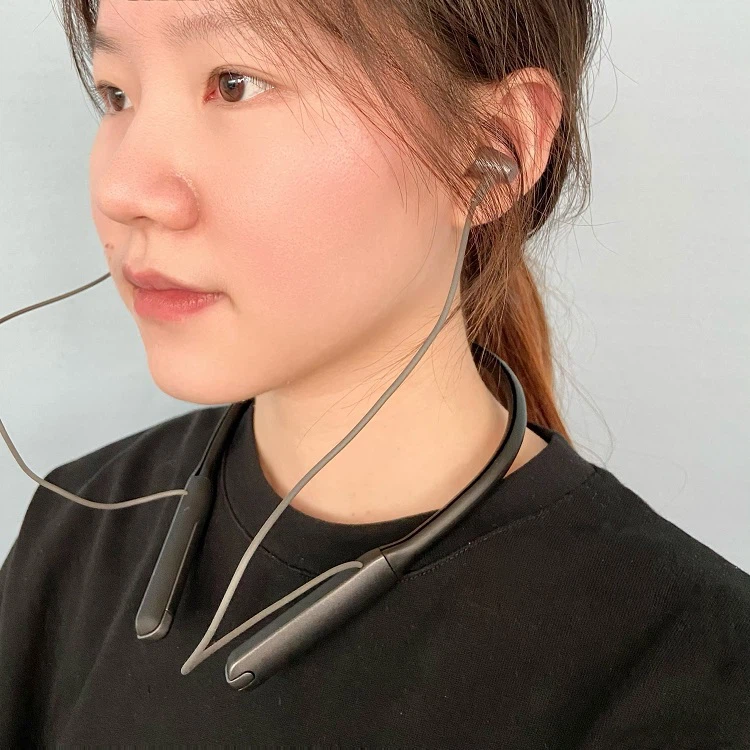
To prevent the neckband from getting tangled, it is a good idea to coil it gently before storing it. You can use a small clip or a tie to keep the coil in place. Avoid folding or bending the neckband sharply, as this can damage the internal wiring. If your neckband hearing aid comes with a carrying case, make sure to use it to keep the neckband organized and tangle-free.
Protect the Earpieces
The earpieces of your neckband hearing aid are in direct contact with your ears, so it is important to protect them. You can use earpiece covers or domes to prevent wax buildup and protect the speaker from damage. Make sure to clean and replace the earpiece covers regularly to maintain optimal sound quality. When storing the hearing aid, place the earpieces in a separate compartment or use a small bag to keep them safe.
Check the Hearing Aid Regularly
Even when in storage, it is a good idea to check your neckband hearing aid regularly. Inspect the device for any signs of damage, such as cracks, scratches, or loose parts. If you notice any issues, contact your hearing healthcare provider or the manufacturer for assistance. You can also test the hearing aid periodically to ensure it is still functioning properly.
Follow the Manufacturer's Instructions
Every neckband hearing aid is different, so it is important to follow the manufacturer's instructions for storage and maintenance. The user manual that comes with your device will provide specific guidelines on how to store and care for it. Make sure to read and understand these instructions carefully to ensure the longevity and optimal performance of your hearing aid.

Consider a Hearing Aid Dehumidifier
If you live in a humid climate or have a tendency to sweat a lot, a hearing aid dehumidifier can be a valuable investment. A dehumidifier helps remove moisture from the hearing aid, preventing damage to the internal components. Place your neckband hearing aid in the dehumidifier overnight or for a few hours to keep it dry and functioning properly.
Importance of Proper Storage
Proper storage of your neckband hearing aid is not only important for its longevity but also for your overall hearing health. A well-maintained hearing aid will provide better sound quality, improved comfort, and a more reliable performance. By following these storage tips, you can ensure that your hearing aid will continue to serve you well for years to come.
Conclusion
As a supplier of neckband hearing aids, I know that proper storage is essential for the longevity and performance of these devices. By cleaning the hearing aid, removing the batteries, choosing the right storage container, storing in a cool, dry place, keeping the neckband tangle-free, protecting the earpieces, checking the device regularly, following the manufacturer's instructions, and considering a dehumidifier, you can ensure that your neckband hearing aid remains in excellent condition. If you are interested in purchasing a high-quality neckband hearing aid, such as the Neckband Hearing Aid Digital or the Hearing Aid Amplifier Neckband, please feel free to contact us for more information and to discuss your specific needs. We are here to help you find the perfect hearing solution for your lifestyle.
References
- Manufacturer's user manuals for neckband hearing aids.
- Hearing healthcare industry best practices for hearing aid storage and maintenance.